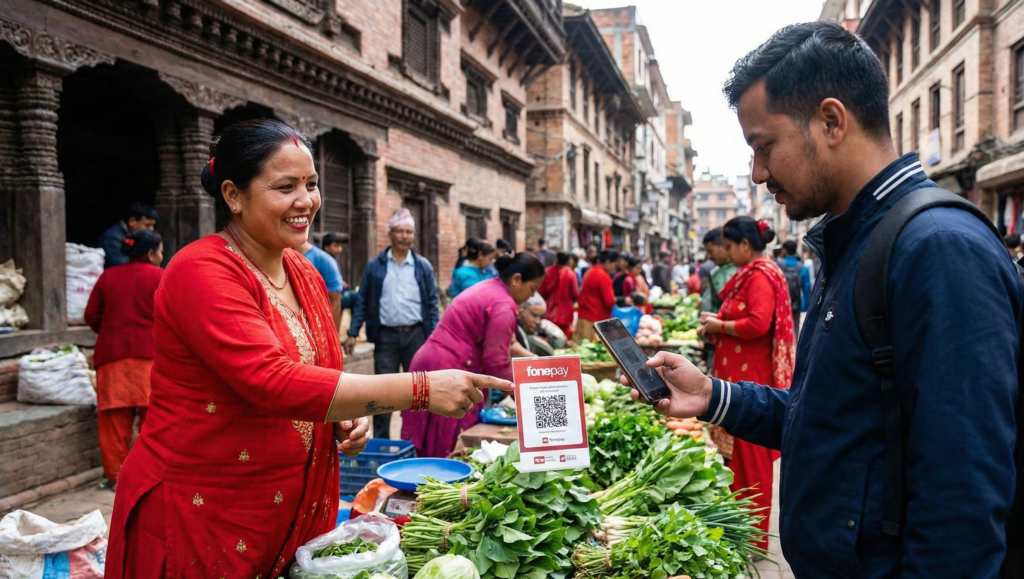
Namaste, friends! 🙏
If you are reading this, chances are you’ve already dreamt of the Himalayas. Maybe you’ve seen pictures of Mount Everest on Instagram, or you’ve heard stories about the warm hospitality of the Nepali people. As someone who lives here, let me tell you—the photos don’t do it justice. The feeling of the crisp mountain air and the taste of a hot cup of masala tea after a long hike is something else entirely.
But, I also have to be honest with you. As much as we love welcoming guests to our beautiful country, we are seeing the changes. Trails are getting crowded, and plastic waste is showing up in places it shouldn’t be.
That’s why I wanted to write this post. I want to share how you can experience the real Nepal—the quiet, magical parts—while making sure you leave this place even better than you found it. Let’s talk about traveling with a conscience.
Why “Eco-Friendly” is More Than Just a Buzzword Here
In Nepal, nature isn’t just “scenery.” It’s our mother (we say Prakriti). Our mountains are considered gods. When we talk about sustainable tourism, we aren’t just talking about carbon footprints; we are talking about respect.
When you travel sustainably here, you aren’t just saving the environment; you are getting a better experience. You get to connect deeper with locals, eat fresher food, and see places that most tourists rush past.
Go Beyond the Popular Trails: Hidden Destinations 🏔️
Everyone knows the Everest Base Camp (EBC) or Annapurna Circuit. They are stunning, yes, but they can get like a “highway” during peak season. If you want true peace and want to help spread the economic benefits of tourism to other villages, try these hidden gems:
1. The Mundum Trail (East Nepal)
This is for the raw adventurers. Located in the Khotang and Bhojpur districts, the Mundum trail offers breathtaking ridge-line views of Everest, Lhotse, and Makalu, but without the crowds. You stay in basic local houses or tents, and you get to see the authentic lifestyle of the Kirat people.
2. Nar Phu Valley
Hidden just behind the Annapurna range, this restricted area feels like you’ve stepped back in time. It’s rugged, remote, and deeply Tibetan in culture. The valleys are stunning, and because fewer people go here, the environment is pristine.
3. Community Homestays in Panauti or Bardia
Instead of a fancy hotel, try a Community Homestay. In places like Panauti (near Kathmandu), you live with a local family, learn to cook Dal Bhat, and work in the fields. Or head down south to Bardia National Park (a quieter alternative to Chitwan) to spot tigers while staying in eco-friendly tharu cottages.
Responsible Trekking: Be a “Good Guest” 🎒
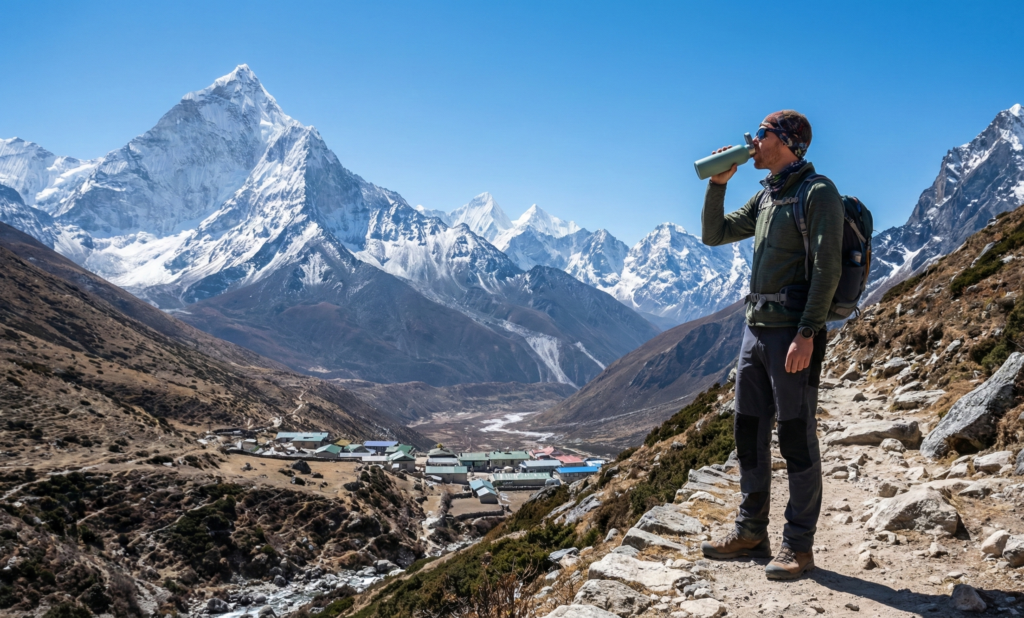
When you are up in the mountains, resources are scarce. Here is how you can be a responsible trekker:
- Say No to Plastic Bottles: This is the biggest problem. Please, bring a reusable bottle and purification tablets or a filter (like LifeStraw). Buying mineral water at 4,000m altitude adds so much waste that is hard to bring down.
- Stick to the Trails: Shortcuts damage the fragile vegetation. It takes years for grass to grow back in high altitudes.
- Carry Your Trash Out: Even if you see a bin, sometimes those bins are just dumped down the side of the mountain because there is no recycling facility up there. If you packed it in, pack it out.
- Dress Modestly: We are a traditional society. Walking through villages in skimpy clothes can be offensive to elders. Covering your shoulders and knees shows respect.
How to Support Local & Sustainable Businesses 🤝
Where you spend your money matters.
- Choose Local Guides and Porters: Instead of booking through a giant international agency, book with local Nepali operators. Ensure they treat their porters well (fair pay, insurance, and proper gear).
- Eat Local: Import costs are high in the mountains. Ordering Pringles or Snickers bars requires a lot of transport. Eating Dal Bhat, Gundruk (fermented greens), or Dhindo supports local farmers and gives you better energy for the climb!
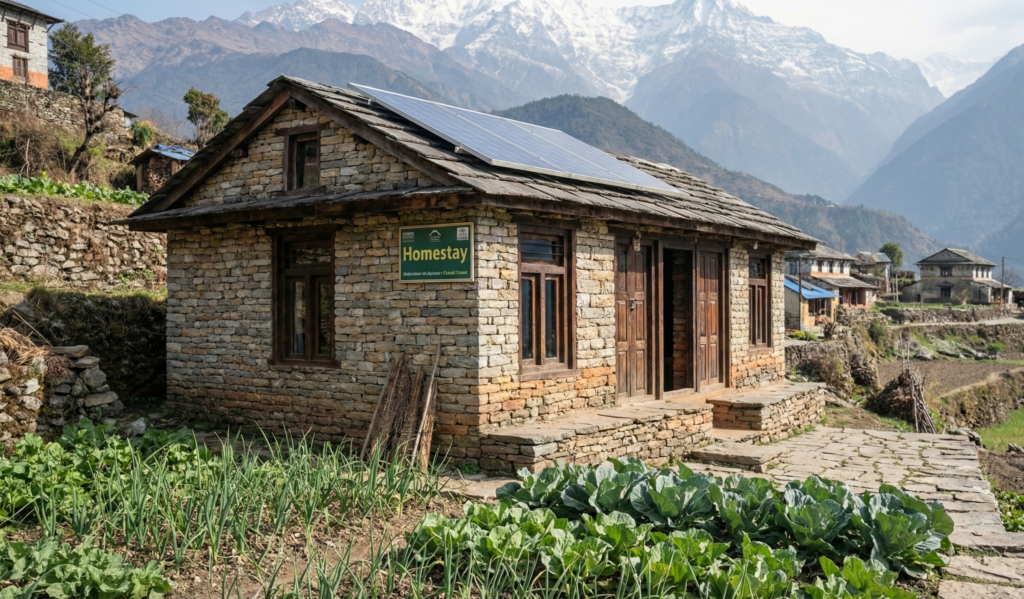
- Stay in Eco-Lodges: Look for teahouses that use solar power for hot showers instead of burning wood. Deforestation is a real issue, so avoiding wood-fire heating helps save our forests.
Immersion in Culture (The Best Part!)
Sustainable travel is also about cultural preservation. Don’t just take a photo of a local and walk away. Stop and say Namaste. Ask them about their day.
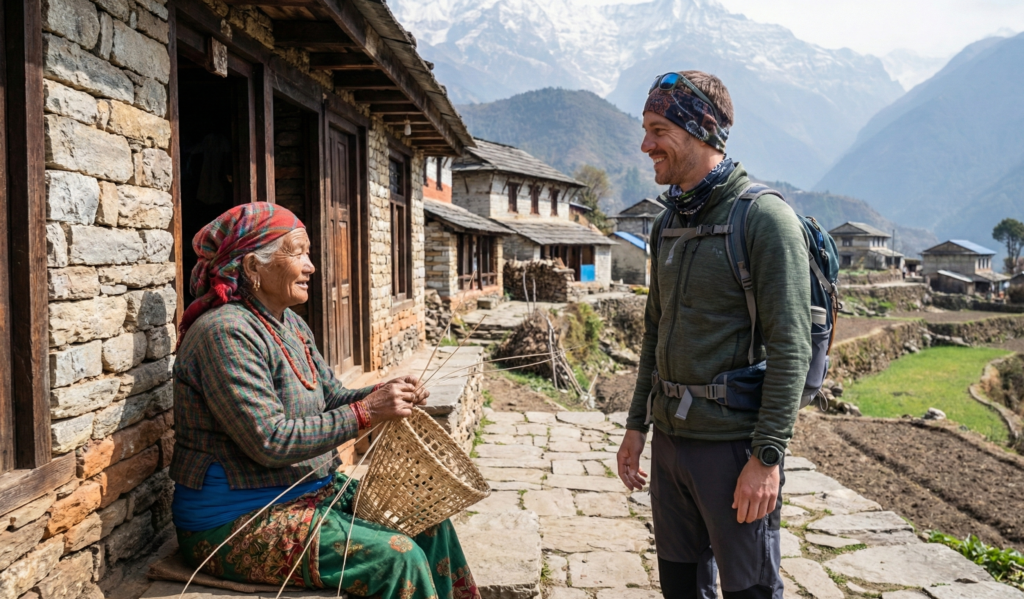
If you visit a monastery or a temple, walk clockwise. If you see a festival happening, ask if you can watch. We love sharing our culture! By engaging respectfully, you encourage the younger generation to be proud of their heritage rather than abandoning it for modernization.
Final Thoughts
Nepal is open and waiting for you. We want you to come, explore our snow-capped peaks, and swim in our rivers. We just ask that you treat our home with the same love that we do.
Travel slowly. Breathe deeply. And let the mountains change you.